

Top Wardrobe Basics Every Man Needs for a Versatile Closet
Versatile closets start with quality basics. A 2023 McKinsey report shows that 60% of men prefer garments that reduce decision fatigue. Use 180 to 200 GSM fabrics. This ensures year-round comfort. Investing in structured polos means you stay ready for any event.
Closets often cause stress, especially when everything feels disconnected. An overflowing wardrobe leads to daily friction: too many choices, too few reliable combinations. The better path is not owning more clothes, but owning better clothes. By focusing on men's casual wear, you build a modular system where items mix cleanly, mornings become faster, and long-term spend goes down.
Why Do You Need High-Quality Wardrobe Basics?
You need quality wardrobe basics because repeatable outfits save time and reduce stress. According to a 2023 McKinsey report, The State of Fashion 2023, 60% of male shoppers prefer easy-to-pair garments. Fewer, better pieces hold shape longer and keep your weekly rotation stable.
Functional closets rely on well-fitting tops and dependable fabrics. When you buy wardrobe essentials with stronger construction, clothes survive more wash cycles while maintaining color and shape. Chasing fast trends drains both energy and budget; consistent basics do the opposite. They reduce wardrobe noise and create a look that feels intentional in both professional and casual settings.
Don't rush the process. Start by replacing your most worn-out items first, then build outward from that core. These pieces become the glue of your style system. Whether you are heading to a meeting or a casual dinner, basics provide the right base. The target is consistency: any random grab should still produce a clean outfit.
Product Snapshot
A product snapshot helps you choose faster because key specs are visible in one place. According to Shopify’s product comparison guide, 45% of shoppers rely on side-by-side formats during evaluation. Comparing fit, fabric, and GSM together reduces mismatches, lowers return risk, and improves first-time purchase confidence.
| Product | Product Image | Rationale | Attributes (Fit, Fabric, Color, Weight, Sustainability) |
|---|---|---|---|
| Camel Polo | 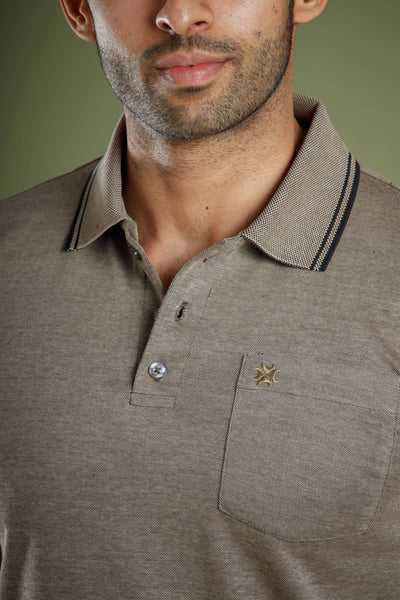 |
A great bridge between casual and smart. | Regular Fit, 51% Cotton/49% Poly, Camel, 200 GSM, no explicit eco-label |
| Dark Grey Polo | 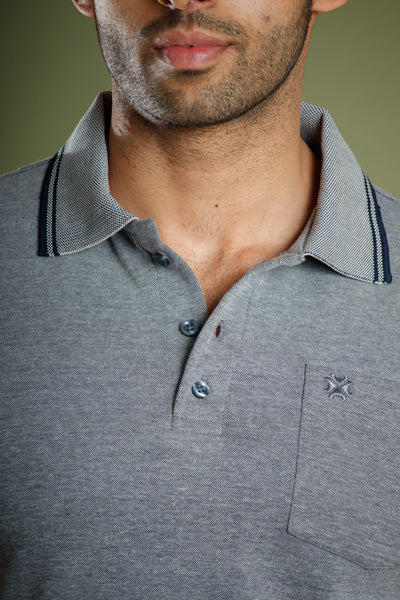 |
Hides stains and works for day or night. | Regular Fit, 51% Cotton/49% Poly, Dark Grey, 200 GSM, no explicit eco-label |
| Nix Plain Shirt | 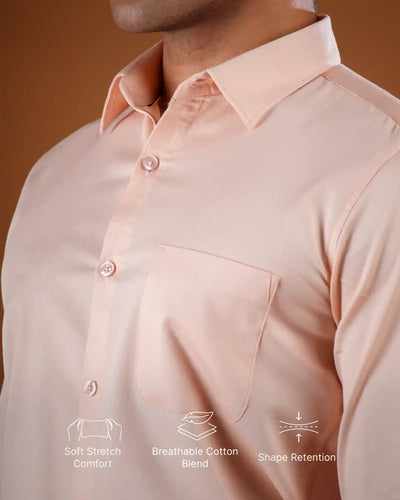 |
A sharp layer for the office or dates. | Slim Fit, 64% Cotton/33% Poly/3% Lycra, Solid, Lightweight, no explicit eco-label |
Which Muffynn Tops Best Support Your Daily Rotation?
Muffynn tops support daily rotation because they combine breathable fabrics with stable fit and structure. According to the Cotton Incorporated Lifestyle Monitor, 78% of men prefer cotton-rich garments for regular wear. Polos and solid tees in the 180–200 GSM range create a reliable base for work, travel, and casual plans.
Choose the Camel Regular Fit Polo T-Shirt for structure. It uses a 51% cotton and 49% polyester blend at 200 GSM, which helps the collar and chest stay crisp through repeated wear. The camel tone is a warm neutral, so it pairs naturally with navy, black, and denim.
Try the Dark Grey Regular Fit Polo T-Shirt for versatility. Dark grey hides minor marks better than lighter shades and transitions well from office hours to evening plans. It is especially useful on travel days, when one shirt often has to work across multiple contexts.
The Solid T-Shirt uses 100% biowashed cotton, which helps reduce pilling and improves hand-feel. At 180 GSM, it is substantial without feeling heavy. That balance makes it a strong daily base layer under shirts and jackets or as a standalone casual top.
The Nix Plain Shirt for Men offers a tailored look with practical comfort. Its slim fit and 3% lycra blend provide shoulder mobility without losing shape. That makes it a useful middle ground piece for semi-formal settings, client meetings, and dinner events.
How Do Standard Outfit Formulas Help You Daily?
Standard outfit formulas help because they remove guesswork and speed up your morning routine. According to research highlighted in the GQ outfit formula guide, repeatable templates can cut prep time by about 30%. Tested combinations reduce friction, improve consistency, and make daily dressing feel reliable.
Formulas save time because matching decisions are made in advance. You stop second-guessing each piece and conserve mental energy for work, meetings, or training. Keep a few combinations in rotation, then adjust only one variable-shoes, outer layer, or belt-to keep the look fresh without adding complexity.
Here are five formulas using these basics:
- The Modern Professional: Pair the Dark Grey Polo with navy chinos. Add brown leather boots. This is a safe look for most offices.
- The Weekend Casual: Use the Solid T-Shirt with light-wash jeans and white sneakers. This classic look never fails.
- The Date Night: Wear the Nix Plain Shirt tucked into dark denim. Use a leather belt.
- The Layered Look: Place the Nix Plain Shirt over a Solid T-Shirt. Leave buttons open. This works for spring or fall.
- The Smart Weekend: Combine the Camel Polo with olive trousers. Earth tones work well together.
Pick your best sellers. Rely on these formulas. You will look good every time.
What Is the Real Impact of Proper Fit?
Proper fit matters most because silhouette is noticed before brand labels or price. Men’s Health reports that nearly 65% of men wear incorrect shirt sizes. Correct shoulder alignment and torso balance can upgrade a basic outfit in minutes.
Fit matters most, because even expensive pieces fail when sizing is off. When browsing men's polos, check the shoulder seams first: they should sit exactly where your arm meets your shoulder. If the seam hangs, the shirt is too large; if it pulls inward, the shirt is too tight.
Slim-fit options like the Nix Plain Shirt work well for athletic builds because they reduce extra fabric at the waist. Broader builds usually benefit from regular-fit shirts, which keep comfort without looking oversized. Also check hem length: if you plan to wear untucked, the shirt should end near the middle of your fly.
When Is the Right Time to Rotate Seasonal Items?
Rotate seasonal items as weather changes, not after damage appears. According to data discussed in True Fit insights, planned rotation can extend garment life by around 40%. Early swapping reduces unnecessary wear, protects color and stretch, and keeps your closet easier to manage week after week.
Organize by season. When heat arrives, move heavy jackets to upper shelves or bins, then bring t-shirts and lightweight polos to the front. This reduces visual clutter and saves time every morning. You also get a clearer view of what you own, which helps prevent duplicate purchases.
Clean everything before storage. Dirt can set into fabric over time. This makes stains permanent. Use clear bins. This allows you to see inside without opening every box. Rotating gives you a chance to check for damage. Fix it before the next season starts.
Why Does Fabric Density Influence Garment Quality?
Fabric density matters because GSM affects drape, opacity, and long-term durability. The Fabric weight and GSM guide by Textile School explains that weights above 180 GSM often improve pilling resistance. Mid-weight basics are a practical compromise: durable enough for repeated washing, yet breathable enough for daily wear.
GSM measures fabric weight. Low GSM fabrics can feel thin or become transparent over time, while very high GSM fabrics may feel rigid in hot weather. Muffynn’s 180 to 200 GSM range works well for everyday tops: it drapes cleanly, supports shape retention, and still stays breathable during long wear.
This density proves quality. Thicker fabrics handle washing machines better. They won't develop holes easily. They won't lose shape at the hem. When you choose mid-weight basics, you choose items that last. They will look good a year from now.
A Practical Maintenance Checklist for Your Essentials
A maintenance checklist keeps basics in good condition and lowers replacement frequency. According to Global Fashion Agenda publications, 68% of consumers want clearer garment care guidance. Simple habits like cold washing, limited heat, and proper storage preserve color, stretch, and fit across repeated wear cycles.
Keep basics in top condition. Follow this simple checklist:
- Wash in Cold Water: Protect fibers.
- Turn Inside Out: Prevent friction.
- Use Less Detergent: Avoid stiff fabric.
- Air Dry: Stop shrinkage.
- Button the Polos: Help collars keep their shape.
- Avoid Wire Hangers: Stop shoulder bumps.
- Fold Your Knits: Prevent stretching.
- Treat Stains Fast: Don't let them sit.
- Don't Overwash: If it's clean, wear it again.
- Steam, Don't Iron: Steam is gentler.
How Can You Build More Confidence Through Style?
Style builds confidence when your core pieces fit well and pair easily every day. According to Forbes retail confidence coverage, 74% of men feel more capable after upgrading frequently worn essentials. Better basics reduce daily friction and improve how you present yourself at work and in social settings.
You carry yourself differently when your clothes fit and feel right. Replace faded collars, stretched necklines, and items you avoid wearing. Invest in new arrivals that serve real weekly use. Basics are foundations, not filler. Build slowly, keep what works, and review your closet monthly. For additional guidance, visit our style journal.
Frequently Asked Questions About Wardrobe Basics
This FAQ helps you avoid common fit and care mistakes that shorten garment life. According to Global Fashion Agenda publications, 68% of shoppers want clearer maintenance guidance before buying. Clear, practical answers improve daily decisions and help wardrobe basics stay useful longer over repeated wear cycles.
How many t-shirts should a man own?
Owning seven to ten shirts is ideal. This provides one fresh shirt per day plus extras for the gym. Focus on neutral colors first. White, black, and grey make matching simple.
What is the best fabric weight for year-round wear?
Choose weights between 180 GSM and 200 GSM. This range is the most versatile. It is thick enough for a professional look. It won't cause overheating in summer. It layers perfectly.
How often should I replace my wardrobe basics?
Replace weekly-wear basics every twelve to eighteen months. Cotton fibers eventually break down. Colors fade. If you see permanent stains or holes, buy a fresh version.
Are slim fit shirts better than regular fit?
Fit depends on body type. Neither is strictly better. Slim fit works for athletic frames. Regular fit provides more room to move. Choose what feels comfortable.
Can I wear a polo shirt to the office?
Yes, polos work for business casual. Choose a solid color. Ensure the fabric has structure. Make sure it is steamed or ironed. Tuck it into chinos for a sharp look.
What colors should I buy first for my closet?
Start with the "Big Four": White, Black, Navy, and Grey. These match everything. Later, add neutrals like camel or olive. This adds variety to your weekly rotation.